


Replacing a camper toilet is rarely just about comfort. Most RV owners choose to switch because of constant problems. Bad odors stay forever. Dumping routines are messy. Some systems simply require too much effort.
For many RV owners, a camper replacement toilet is not just about fixing one issue. It’s about reducing long-term maintenance, minimizing odor, and avoiding repeated dumping routines. Whether you’re dealing with a worn RV camper toilet or considering the overall RV toilet replacement cost over time, choosing the right replacement can prevent future frustrations.
This guide helps you decide on a toilet replacement. It shows you which mistakes to avoid. You will find the best path to reduce future headaches.
Quick Answer: Should You Replace a Camper Toilet?
Consider a new camper toilet if cleaning no longer stops the smell. Replace it if dumping becomes a constant chore or if repairs keep failing. Often, a new toilet is not just about comfort. It is about less maintenance and a more reliable system.
When Should You Replace a Camper Toilet?
Many camper owners delay replacement because the toilet still “technically works.” In practice, these rules usually indicate that replacement is the smarter option:
- If odor remains after repeated cleaning, replacement is often more effective than further repairs.
- If seals or fittings fail repeatedly, replacement prevents recurring leaks and instability.
- If dumping frequency increases without changes in usage, replacement can reduce long-term hassle.
- If worn components affect stability or hygiene, replacement improves daily usability.
If your RV camper toilet requires constant attention just to remain usable, repairing it again often costs more—in time and frustration—than replacing it.
Common Mistakes People Make When Replacing a Camper Toilet
Most replacement regret comes from underestimating what a new toilet actually changes. Common mistakes include:
- Choosing a replacement based only on physical size.
- Ignoring how the toilet connects to plumbing or waste storage.
- Replacing one problem with another—especially when black tanks and dumping remain unchanged.
- Selecting a toilet that requires unexpected plumbing modifications.
A successful RV toilet replacement should simplify ownership, not introduce new dependencies.
Do You Need to Change Plumbing When Replacing a Camper Toilet?
Not always—and this is where many owners get surprised.
Traditional water-based replacements usually require alignment with existing plumbing and black tanks. Portable replacements often avoid plumbing changes but can trade convenience for frequent handling. Waterless replacements can eliminate plumbing connections entirely, removing black tank dependence and dumping routines.
Understanding this difference early helps camper owners avoid unnecessary work and unexpected costs.
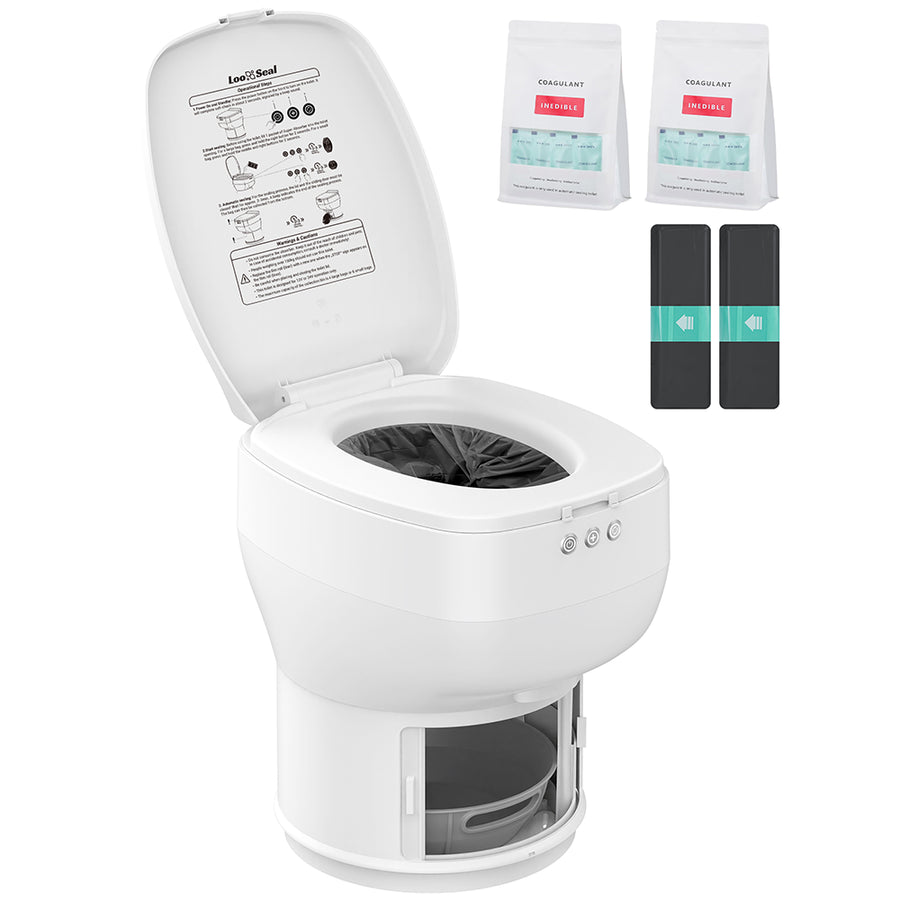
Camper Replacement Toilet Options (Quick Comparison)
When comparing replacement options, many RV owners choose a new toilet based on familiarity. They often look for a model that resembles their old one. However, this approach is a mistake. It usually carries over the same old problems. You may end up facing the same odors, dumping issues, and maintenance struggles all over again.
| Toilet Type | Pros | Cons/Considerations |
|---|---|---|
| Traditional Water-Based Toilets | Familiar operation | Still rely on black tanks and dumping stations |
| Portable Toilets | Minimal installation effort | Often used as short-term or backup solutions |
| Waterless and Dry Flush Toilets | No plumbing changes required; no black tank dumping | Sealed waste handling with reduced odor |
For those exploring waterless replacement options, Modiwell dry flush camper toilet solutions are designed specifically for RV and camper installations where minimizing odor and maintenance is the priority.
Which Camper Owners Benefit Most from Replacing Their Toilet?
Replacing a camper toilet is especially beneficial for:
- RV owners frustrated by recurring odor issues.
- Campers who want to reduce dumping frequency.
- DIY owners avoiding plumbing modifications.
- Long-trip or frequent-use campers seeking lower maintenance.
- Anyone replacing a toilet to prevent future problems—not just fix current ones.
Camper Replacement Toilet: A Simple Decision Checklist
The simplest way to choose a camper replacement toilet is to focus on what you want to eliminate—not what you want to keep.
Before replacing your camper toilet, ask yourself:
- Do I want to keep using a black tank?
- Am I willing to modify plumbing if needed?
- Is odor my biggest deal breaker?
- Am I replacing this toilet to fix a current issue—or to avoid future ones?
Camper Replacement Toilet FAQs
What is the best toilet replacement for a camper?
The best toilet replacement for a camper is the one that removes odor, reduces maintenance, and fits your existing system. A successful camper replacement toilet removes the issues that made the original RV toilet frustrating to use.
Which is better, a cassette toilet or a black tank?
A black tank offers higher capacity but requires regular dumping and ongoing odor management. A cassette toilet is easier to remove and empty but usually needs more frequent handling.
Can I replace my RV toilet with a composting toilet?
Yes, replacing an RV toilet with a composting toilet is possible. Composting systems eliminate black tanks and water usage, but they require consistent maintenance and proper operation.


